Product Portfolio

Malaysia-Based Eco-Friendly Agricultural and Livestock Solutions

ARIKO Group is developing a product business centered on palm fiber, supplying livestock bedding, organic fertilizer, fermented feed for ruminants, and biochar & carbon credits to meet the needs of the Korean market as well as global agricultural, livestock, and ESG sectors.

Overview

Product Business Overview

Bedding Material

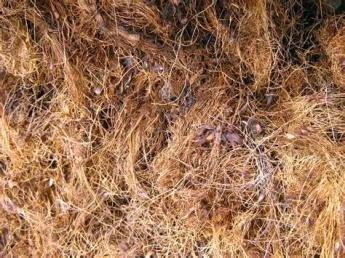
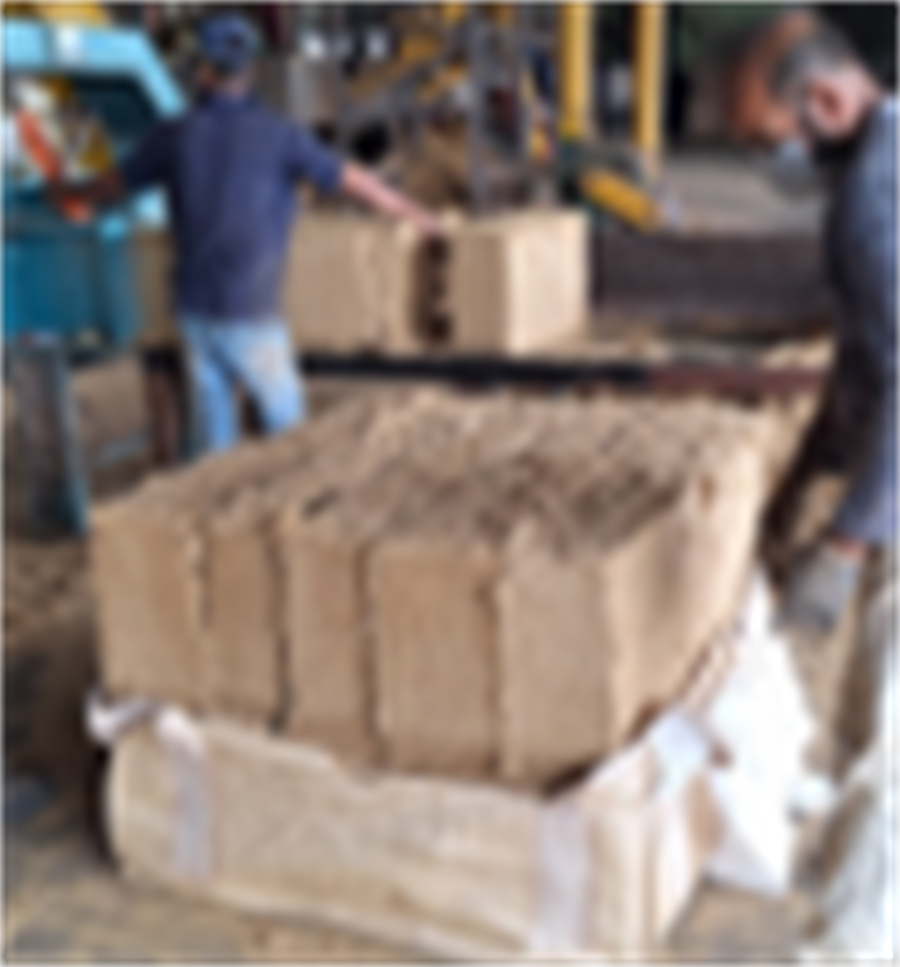
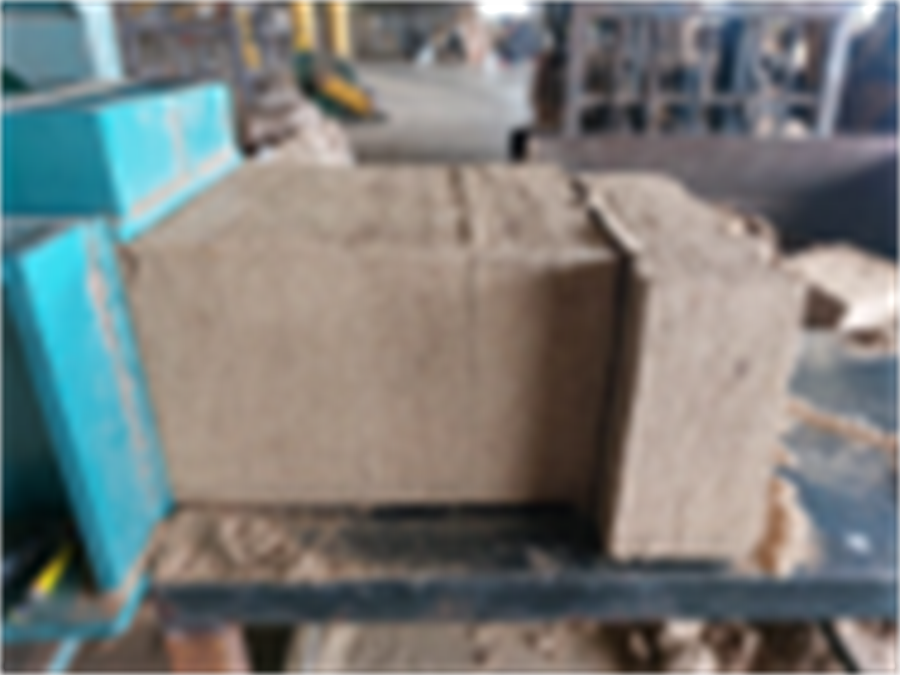
Livestock Bedding - Palm Fiber Compressed Block

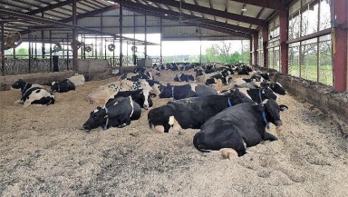
A livestock bedding product that can substitute sawdust. It responds to Korean farm demand with a focus on absorbency, price competitiveness, ESG image, and potential use as compost raw material.

  • Target reduction of odor and ammonia complaints
  • Competitive moisture absorption and stable supply
  • Import-substitution material for Korea's sawdust shortage
Organic Fertilizer

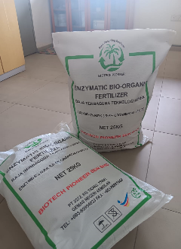
Organic Fertilizer

An eco-friendly fertilizer line combining poultry manure, cattle manure, palm fiber, zeolite, biochar, and EM enzymes. Direct B2B export is recommended over domestic distribution.

  • 75-80°C high-temperature mixing process
  • 12-14 day fermentation process
  • Granule and pellet packaging formats
  • 100% elimination of harmful bacteria (E. coli, Salmonella, weed seeds)
Fermented Feed

Fermented Feed for Ruminants

A fermented feed using fruit peel, beer spent grain, rice bran, palm fiber, and EM fermentation microbes. Export plans target Korean beef cattle and dairy roughage demand.

  • Expected export volume of 50,000 tons per month
  • Stable pricing under long-term contracts
  • Consultation with livestock experts and ongoing R&D
Biochar & Carbon Credit

Biochar & Carbon Credits

High-quality biochar with 70-80% carbon content is supplied by pyrolyzing Malaysian palm by-products, with linkage to VCS and Gold Standard-based carbon credit monetization.

  • Simultaneous soil improvement and carbon sequestration
  • Dual channels for farms, local governments, and ESG companies
  • Dual revenue structure from biochar sales and credit issuance
Product Images

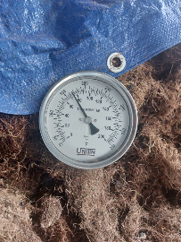
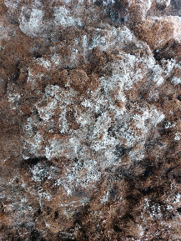
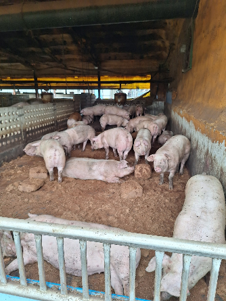
Product Samples and Field Images

Biochar & Carbon Credit

Biochar & Carbon Credit Strategy

Biochar is more than a soil amendment. It is a compound-value product that can monetize carbon credits by measuring, under international certification, the amount of carbon sequestered during production and soil application.

70-80%Target carbon content through standardized pyrolysis processing
USD 100-300Credit price range per tCO2e under VCS and Gold Standard
50-200 tons/monthPhase 1 target for anchor customers and certification foundation
1,000-2,500 tons/monthSupply target after Phase 3 market-position stabilization

Product Competitiveness

  • Long-term supply stability through single, standardized raw materials based on palm by-products
  • Expected acidic soil correction and water retention improvement through pH 9-10 alkaline properties
  • Stronger quality reliability through heavy metal and hazardous substance control and batch-by-batch carbon content analysis
  • Package proposal combining biochar product sales and carbon credit sales

Key Customer Channels

  • Eco-friendly farms and local governments: soil improvement, organic transition, Green New Deal distribution projects
  • Carbon-neutral obligated companies: ESG reporting, K-ETS response, long-term credit purchase contracts
  • Carbon credit brokers and exchanges: bulk distribution after VCS and GS certification
  • Public institutions: linkage with K-biochar quality certification and pilot distribution programs
Two-track Roadmap

Roadmap Combining Product Sales and Certification

The biochar business must proceed with early product validation and VCS/Gold Standard project registration at the same time in order to expand into carbon credit revenue.

0-6 monthsSecure anchor customersSecure 3-5 eco-friendly farms and 2-3 ESG-interested companies, building a supply base of 500+ tons per month.
Certification startVCS/GS registrationBuild the basis for credit issuance through carbon content analysis, pyrolysis process documentation, and appointment of a third-party verifier.
7-18 monthsChannel expansionExpand sales to farms, local governments, and corporate ESG teams, targeting 1,000+ tons per month and first carbon credit issuance.
19-36 monthsMonetization completionTarget 5,000+ tons per month, 150,000+ tCO2e annual carbon credit issuance, and combined product-credit revenue.
Bedding Market

Livestock Bedding Market Status

The Korean livestock market is seeing growing demand for alternative materials due to domestic sawdust shortages, rising ocean freight, plant-product quarantine issues, and increasing odor and ammonia complaints.

450,000 tonsAnnual import volume of Vietnamese sawdust blocks
100,000 tonsAnnual import volume of cocopeat
4 countriesMajor import countries including Vietnam, India, and Sri Lanka
No. 1Priority product outlook: palm fiber compressed block
Comparison

Comparison of Livestock Bedding Products

Compared with existing materials, palm fiber compressed blocks can simultaneously propose lower transport costs, ESG image value, price competitiveness, and compost recycling potential.

Wood Sawdust

Strengths
Familiar material, easy management, compostable
Limitations
Rapid price increases, unstable supply, mold risk

Rice Hull

Strengths
Low price, fast drying, usable in poultry farms
Limitations
High dust scattering, medium absorbency, low hoof cushioning

Cocopeat

Strengths
Excellent absorbency, ammonia reduction, odor reduction
Limitations
High dust, salinity issues, high price

Palm Fiber

Strengths
Can replace sawdust, excellent absorbency, price competitiveness, ESG image, usable as compost raw material
Management Point
Awareness-building and drying quality control are important
Organic Fertilizer

Organic Fertilizer Production Process

The process moves from raw material mixing and high-temperature maintenance to automatic stirring fermentation, hammer mill processing, and granule or pellet packaging.

STEP 1Mixed materialsMix poultry manure, cattle manure, palm fiber, zeolite, biochar, and EM enzymes, maintaining 75-80°C for three days.
STEP 2Automatic stirringStable fermentation for 12-14 days using an automatic stirrer.
STEP 3Hammer mill processingConvert fully fermented material into fertilizer using hammer mill equipment.
STEP 4Product packagingPackage in granule or pellet form for B2B supply.
Fermented Feed

Fermented Feed Export Plan

Export potential for ruminant fermented feed is reviewed based on Korea's total beef cattle and dairy herd size, roughage requirements, and import-substitution demand.

Korean Demand Indicators

4 millionTotal Korean beef cattle and dairy herd size
21.9 million tons/yearAnnual roughage requirement
50,000 tons/monthExpected fermented feed export volume
Stable pricing under long-term contractsBased on arrival at Korean port

Main Raw Materials for Fermented Feed

  • Fruit pomace - rich in sugar
  • Beer spent grain
  • Rice bran
  • Palm fiber
  • EM fermentation microbes

R&D is currently underway, and product materials indicate that consultation with Korean livestock experts has been completed.

Product Supply and Partnership Inquiries

Submit inquiries for supply, export, and B2B cooperation related to livestock bedding, organic fertilizer, fermented feed, biochar, and carbon credits.

Contact